
Lower Leas Coastal Park
Folkestone, Coast
 Photo of Folkestone: Oast House Archive, CC BY-SA 2.0
Photo of Folkestone: Oast House Archive, CC BY-SA 2.0
Lower Leas Coastal Park is an award-winning linear park between Folkestone and Sandgate, created on land formed by a huge landslip in 1784. Children love the south east's largest free adventure playground, while the amphitheatre hosts free summer events and the formal gardens and wilder undercliff suit a gentle walk. Plan two to three hours.
Highlights
- The largest free adventure playground in the south east
- 350-seat amphitheatre with free summer events
- Wild, fun and formal garden zones
- Labyrinth and public art
- National Cycle Route 2 passes along the seafront road
Good to know
- Barbecues are no longer permitted in the park
- Dogs must be on leads in designated areas
- Green Flag Award every year since 2007
Getting there
Lower Leas Coastal Park, Lower Sandgate Road, Folkestone, Kent, CT20 2JPParking: The Coastal Park car park fills at busy times; alternatives include Lower Sandgate Road West, Harbour Street and Tram Road.
Get directionsChecked on 15 October 2026 against folkestone-hythe.gov.uk. Details change, so please confirm with the venue before you travel. How we check
Nearby
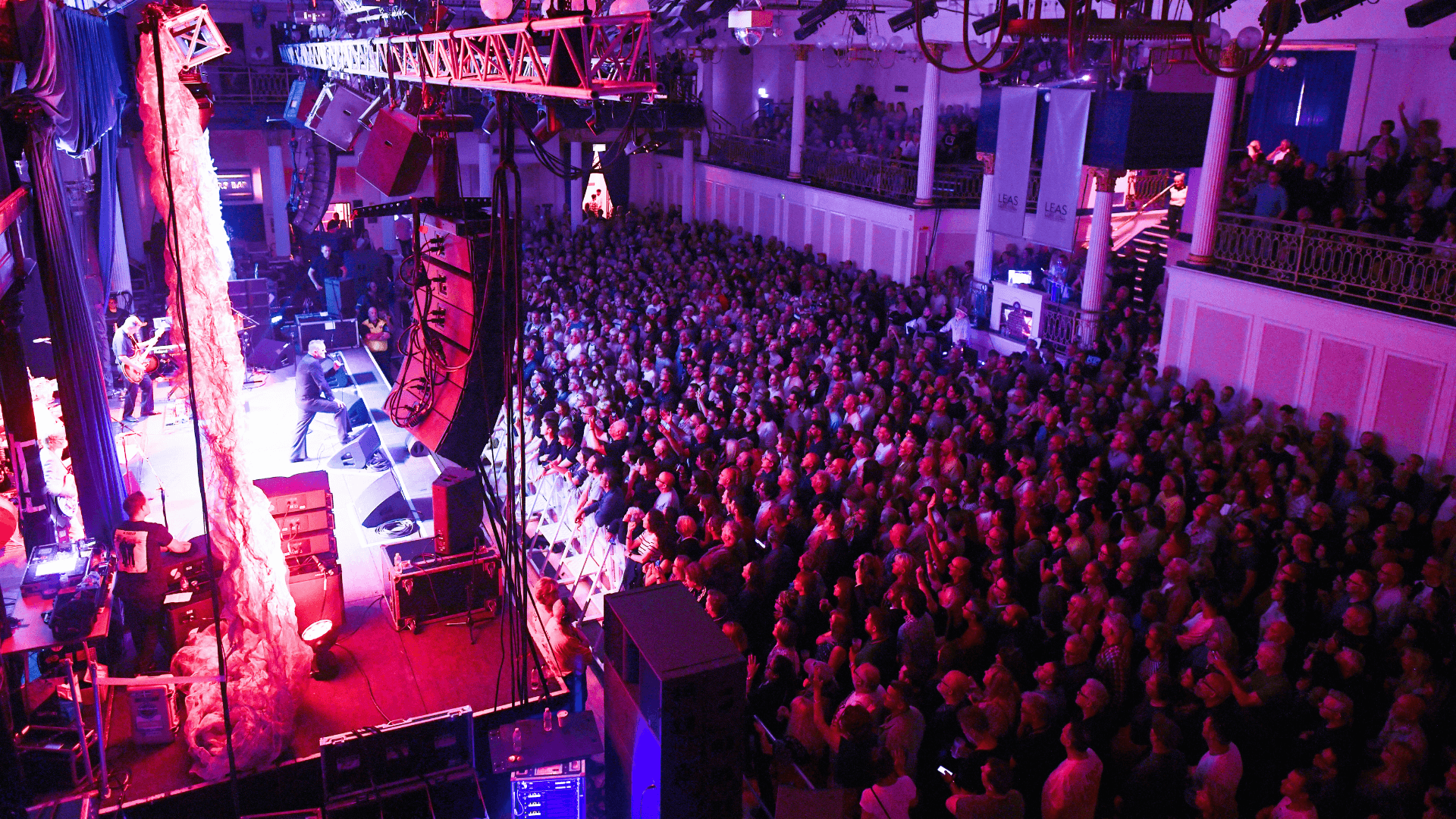 Image: Leas Cliff Hall
Leas Cliff Hall
Leas Cliff Hall is a live entertainment and events venue on Folkestone's Leas, open since 1927, with clifftop views over the English Channel. Its Grand Hall hosts tribute acts, comedy, concerts and an annual family pantomime, and the venue also runs weddings, parties and The Leas Shelter coffee shop. Come for an evening show or the Christmas panto.
Photo of Folkestone: Oast House Archive, CC BY-SA 2.0Kingsnorth Gardens
Kingsnorth Gardens is a formal town park close to Folkestone town centre, laid out in 1928 in a blend of Oriental, Italian and English styles. Wander past ornamental ponds, statues and seasonal bedding, then sit beneath the great weeping ash at its centre. It suits a quiet stroll or a picnic stop and needs about an hour.
Photo of Folkestone: Oast House Archive, CC BY-SA 2.0Radnor Park Folkestone
Radnor Park is a Victorian town park opposite Folkestone Central station, given to the town by the Earl of Radnor in 1886. The upper park has open lawns and two modern play areas, while the lower park is quieter with ponds and space for wildlife. It suits families with young children and dog walkers for an hour or two.