
Archaeology and ancient sites in Kent
Kent was the front door to Roman Britain. The invasion army landed at Richborough in AD 43, and the county still holds forts, villas, a lighthouse and some of the finest Roman wall paintings on show in the country. Older still are the stone tombs of the Medway valley, built more than 6,000 years ago.
This guide groups the best places to see it: Roman sites with mosaics and walls you can walk round, prehistoric monuments you can visit for free, museums that hold the finds, and an excavation where the digging is still going on. Several are free and open any reasonable time, which makes them easy to fit into a walk.
Roman Kent
Forts, villas and town houses from the first landing in AD 43 to the end of Roman rule.
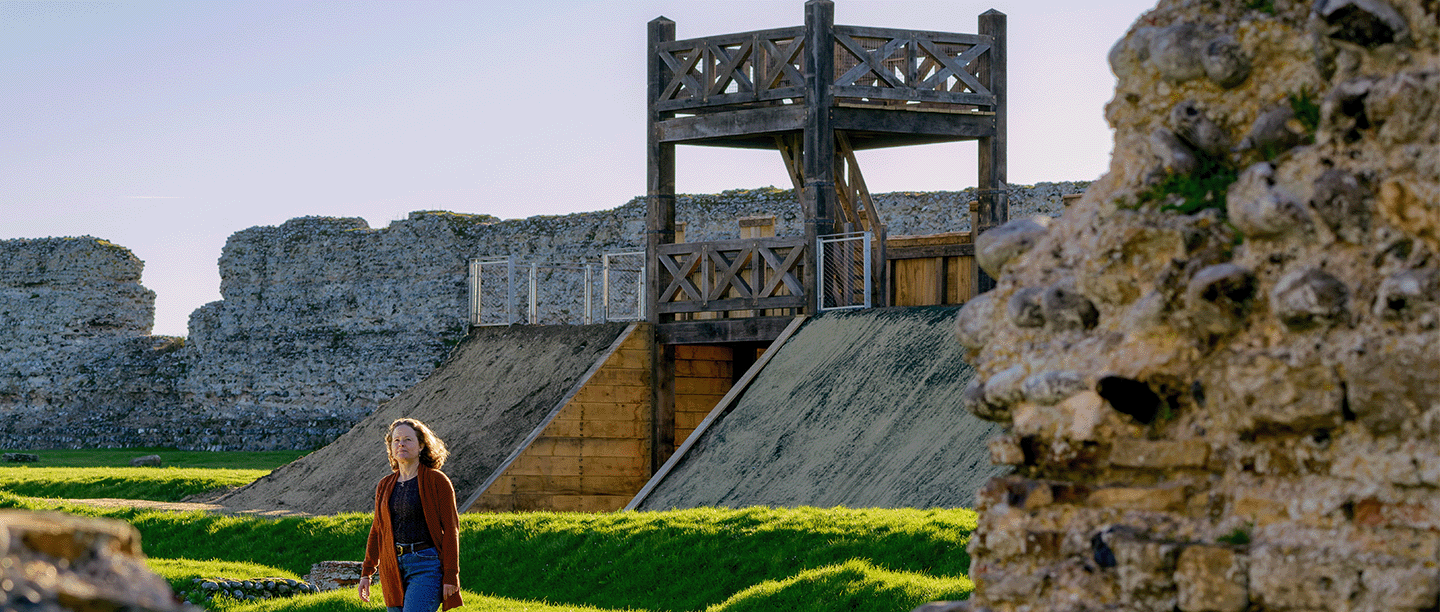 Image: English Heritage
Richborough Roman Fort and Amphitheatre
Richborough is where the invading Roman army came ashore in AD 43, and the fort here saw the start, height and end of Roman rule in Britain. Climb the reconstructed timber gateway for views over the site, explore the ruins and museum, and walk out to the amphitheatre earthworks. It suits families and history fans and needs about two hours.
Why it's here: Where the invading Roman army came ashore in AD 43. Climb the reconstructed timber gateway, explore the fort and museum, then walk out to the amphitheatre earthworks. Allow about two hours.
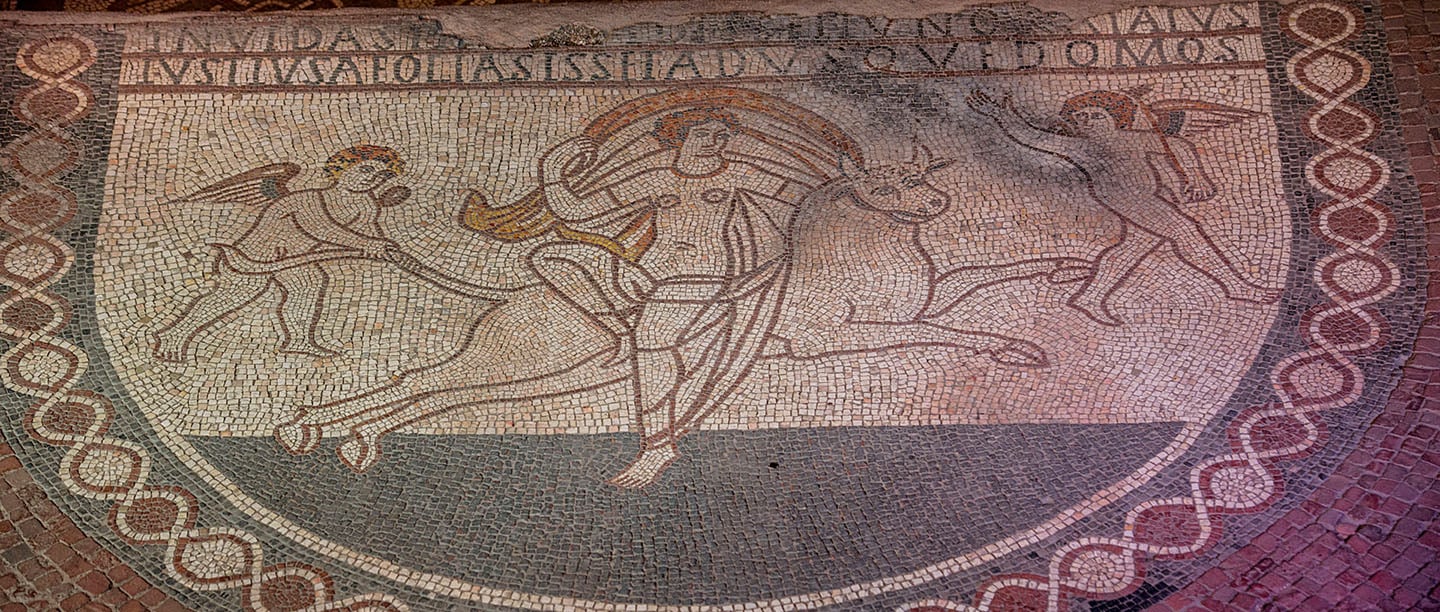 Image: Lullingstone Roman Villa
Lullingstone Roman Villa
Lullingstone Roman Villa preserves the remains of a Roman country house near Eynsford, displayed under cover so it works in any weather. See its celebrated floor mosaics and finds from Roman Britain, then combine your visit with a walk in the surrounding countryside.
Why it's here: A Roman country house near Eynsford with celebrated floor mosaics, shown under cover so it works in any weather. Open Thursday to Sunday.
Roman Painted House
The Roman Painted House is a Roman building from around AD 200, discovered in Dover in 1970 and part of the town's Roman military site. It is known for its painted wall plaster and underfloor heating, and is often described as the finest Roman house on show in Britain. It is free, takes under an hour and suits anyone curious about Roman Britain.
Why it's here: A Roman building from around AD 200, found in Dover in 1970, with painted wall plaster and underfloor heating. Free, and under an hour.
 Image: Canterbury Roman Museum
Canterbury Roman Museum
Canterbury's Roman Museum sits below street level around the excavated remains of a Roman town house, a scheduled ancient monument in the city centre. The star is a Roman floor mosaic still in its original position, one of very few left in the UK. It is a compact, family-friendly look at life in Roman Britain and an easy wet-weather stop near the cathedral.
Why it's here: Below street level around a Roman town house, with a mosaic floor still in its original position, one of very few left in the UK.
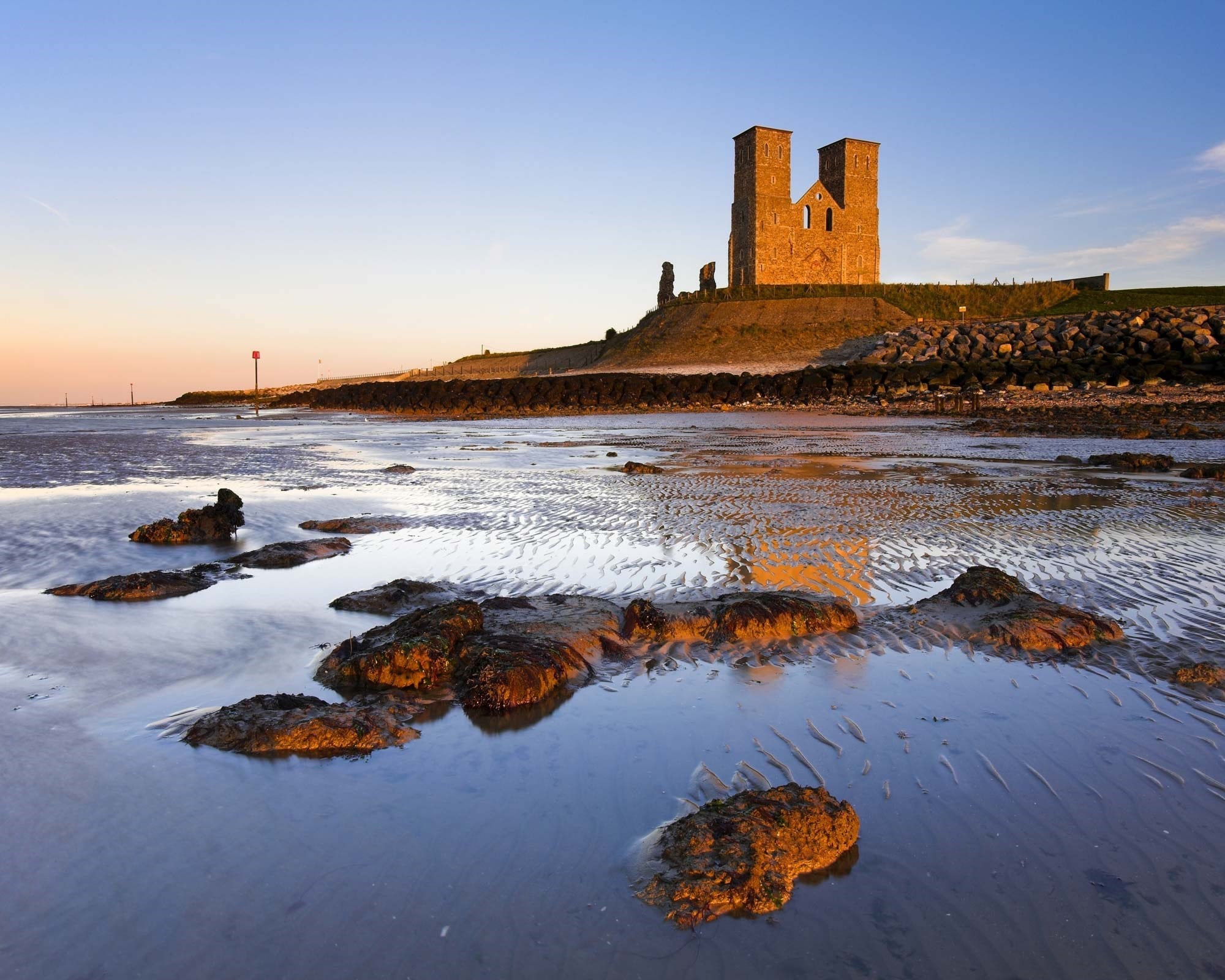 Image: English Heritage
Reculver Towers and Roman Fort
The twin 12th-century towers of Reculver's ruined church stand on the shore near Herne Bay, alongside the remains of an early Roman Saxon Shore fort. Walk around the ruins, and take in the sea views. It suits families, dog walkers and anyone after a free coastal stop of an hour or two.
Why it's here: The remains of an early Roman Saxon Shore fort beside the twin medieval towers on the shore near Herne Bay. Free to walk round.
 Photo: Doyle of London, CC BY-SA 4.0
Faversham Stone Chapel (Our Lady of Elverton)
In a field beside the A2 west of Ospringe stand the low ruins of the Anglo-Saxon and medieval chapel of Stone-next-Faversham. Its walls take in part of a 4th-century Roman mausoleum, which English Heritage says makes it unique among Christian buildings in England. Finds from the Roman cemetery nearby are on show at Maison Dieu, under a mile away.
Why it's here: A ruined chapel whose walls take in part of a 4th-century Roman mausoleum, which English Heritage says makes it unique among Christian buildings in England. Free.
Prehistoric Kent
Stone tombs and a boat older than Stonehenge's last stones, all free to see.
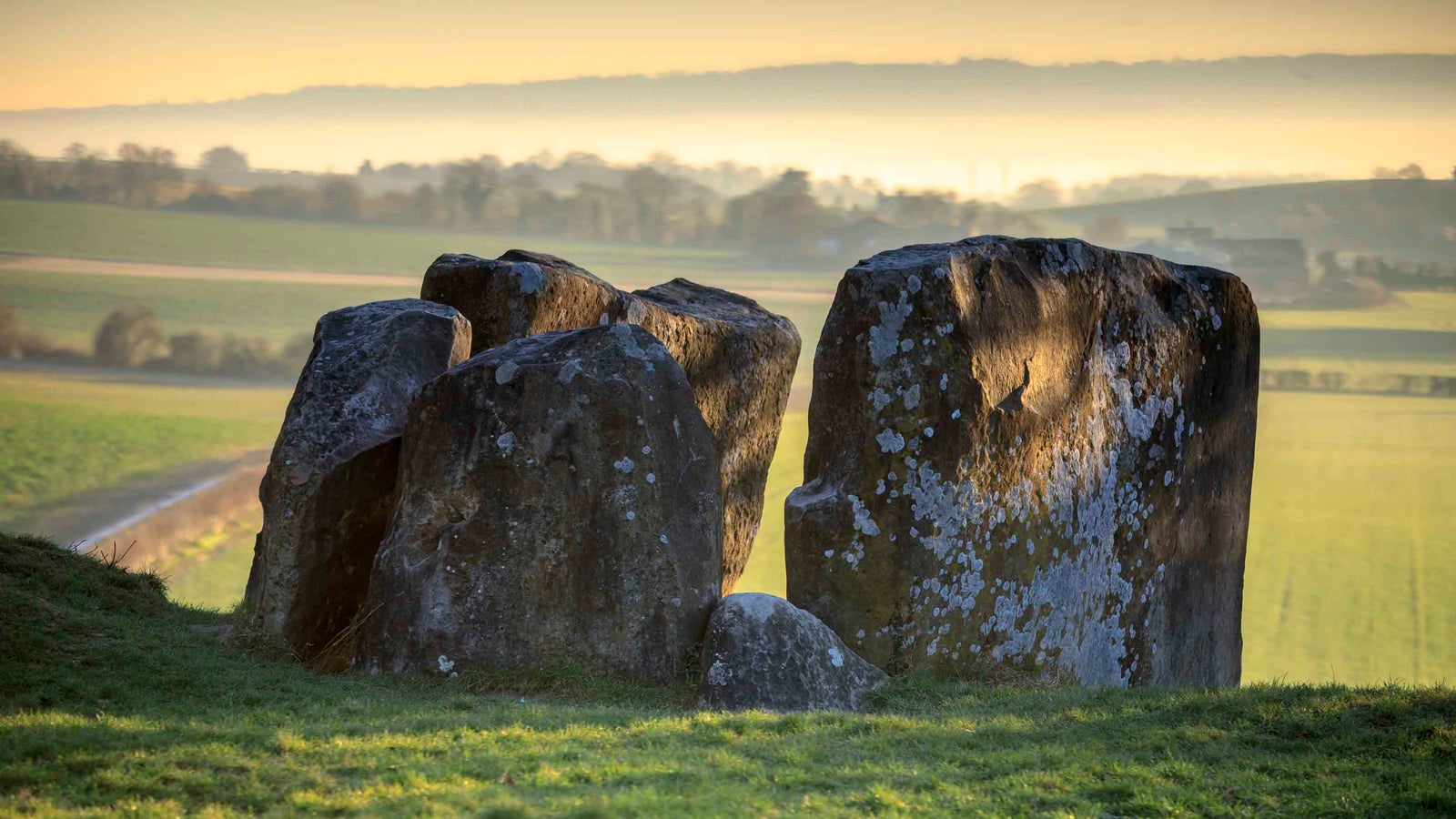 Image: National Trust
Coldrum Long Barrow
Coldrum Long Barrow is a megalithic chambered tomb built more than 6,000 years ago and the best-preserved example in Kent, ringed by large sarsen stones. Walk up from the small car park to explore the stones, which have been unfenced to mark 100 years of National Trust care. It suits history lovers, walkers and dog owners, and an hour is plenty unless you add a longer walk.
Why it's here: A megalithic chambered tomb built more than 6,000 years ago, ringed by sarsen stones and open dawn to dusk.
 Image: English Heritage
Kit's Coty House and Little Kit's Coty House
Kit's Coty House and Little Kit's Coty House are the remains of two Neolithic burial chambers in open fields above the Medway Valley. Kit's Coty still has three uprights topped by a huge capstone, while its smaller neighbour is now a tumble of sarsen stones. It makes a short, free stop for history lovers and walkers on the North Downs Way, and an hour is plenty.
Why it's here: Two Neolithic burial chambers above the Medway valley; Kit's Coty still has three uprights under a huge capstone. Free, any reasonable time.
 Photo: Nessy-Pic, CC BY-SA 4.0
Dover Museum and Bronze Age Boat Gallery
Dover Museum in Market Square tells the story of Britain's historic port town through local history and archaeology. Its star exhibit is a prehistoric boat around 3,500 years old, found in Dover in 1992 and shown in its own gallery. It suits families and history fans, takes an hour or two and is free.
Why it's here: A prehistoric boat around 3,500 years old, found in Dover in 1992 and shown in its own gallery. Free admission.
See archaeology happening
Most digs are closed to the public, so this one is worth planning around.
 Photo: Helmut Zozmann, CC BY-SA 2.0
East Wear Bay Roman villa excavation
On the cliff top at East Wear Bay in Folkestone, archaeologists and volunteers are racing coastal erosion to excavate and record a Roman villa and the older Iron Age landscape around it before the sea takes it. The community project, run with Canterbury Archaeological Trust, welcomes visitors by appointment during the summer dig and shares its finds through an online digital museum.
Why it's here: A Roman villa on the Folkestone cliffs being excavated before coastal erosion takes it. Visits are by appointment during the summer dig, the finds are online in a digital museum, and volunteers need no experience.
Saxon and Norman Kent
From the return of Christianity in AD 598 to the castles built after 1066.
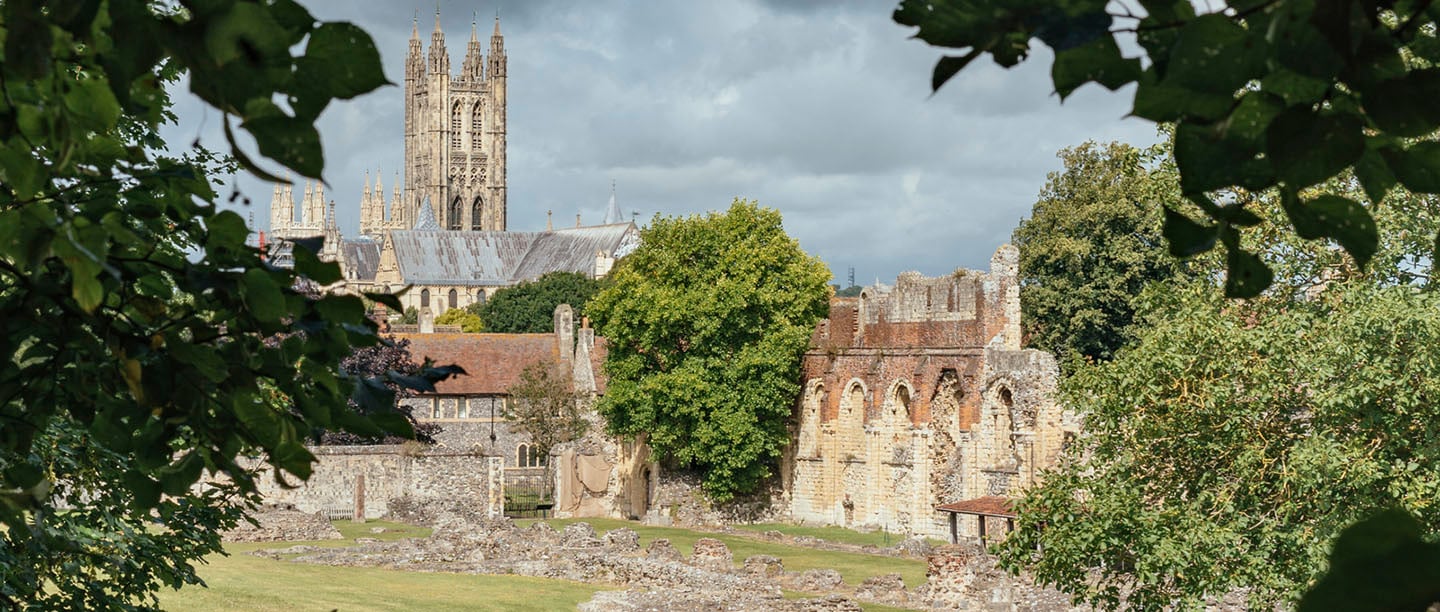 Image: St Augustine's Abbey
St Augustine's Abbey
Founded in AD 598, St Augustine's Abbey marks the return of Christianity to southern England and is part of Canterbury's World Heritage Site. Walk the extensive ruins, from the Saxon monastery to the Norman rebuild and the later Tudor royal palace, then visit the site museum. It sits just outside the city walls, a few minutes from the cathedral.
Why it's here: Founded in AD 598, part of Canterbury's World Heritage Site, with ruins running from the Saxon monastery to a Tudor palace and a site museum.
 Photo: Richard Nevell from London, United Kingdom, CC BY-SA 2.0
Eynsford Castle
Eynsford Castle is a rare early Norman enclosure castle, protected by a tall curtain wall rather than a keep or motte. A family feud over who inherited it ended in vandalism in 1312, and the castle was left to ruin. Today you can walk inside the surviving walls and the remains of the hall, right in the middle of Eynsford village.
Why it's here: A rare early Norman enclosure castle with a tall curtain wall, free and open daily in the middle of Eynsford village. Pair it with Lullingstone Roman Villa nearby.
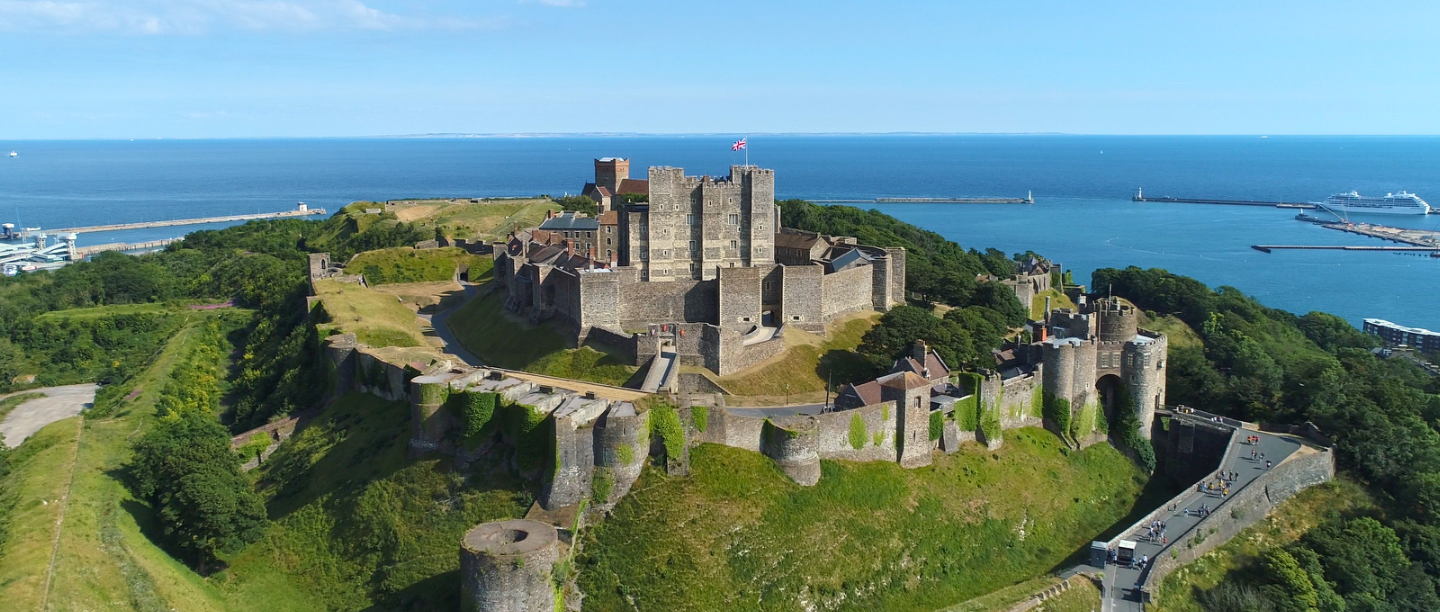 Image: Dover Castle
Dover Castle
Dover Castle sits high above the White Cliffs, with a medieval Great Tower above ground and a network of secret wartime tunnels below. Climb the tower to discover the court of King Henry II, explore the Under Siege exhibition and let children loose in the siege play area. Give it a full day.
Why it's here: A medieval Great Tower above the White Cliffs and secret wartime tunnels below. Give it a full day.
Questions people ask
Where did the Romans land in Kent?
At Richborough near Sandwich in AD 43. The fort there saw the start, height and end of Roman rule in Britain, and you can visit the ruins, museum and amphitheatre earthworks.
Where can you see Roman mosaics in Kent?
Lullingstone Roman Villa near Eynsford and the Canterbury Roman Museum both have Roman floor mosaics, and the Roman Painted House in Dover has painted wall plaster.
Can you visit an archaeological dig in Kent?
The East Wear Bay Roman villa excavation in Folkestone welcomes visits by appointment during its summer dig season, and takes volunteers with no experience.